AI Dating Photos Before and After: A Real Example
AI dating photos before and after: a real, consented example with unretouched results, plus how to spot rigged, retouched or cherry-picked comparisons.
7 min read
In this article
Quick answer
A fair AI dating photos before and after puts a real person's unfiltered selfie next to unretouched results, says whether the person is real, and shows more than one hand-picked shot. Light, background, framing and outfit should change. Face, body and age should not.
Before and after pictures are how almost every AI dating photo service sells itself, ours included. They're also the easiest thing in the world to rig: a sad selfie in a dark bathroom, then a glowing stranger on a rooftop, and you're supposed to believe it's one person and one click.
So we'll go first, with a real person's face, and then show you how to pick apart anyone's before and after, ours included.
A real before and after
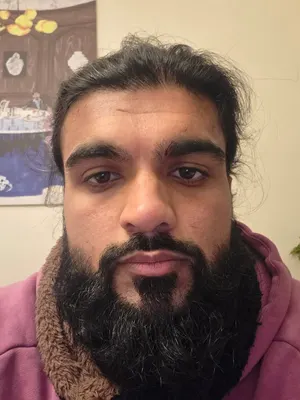 Real before
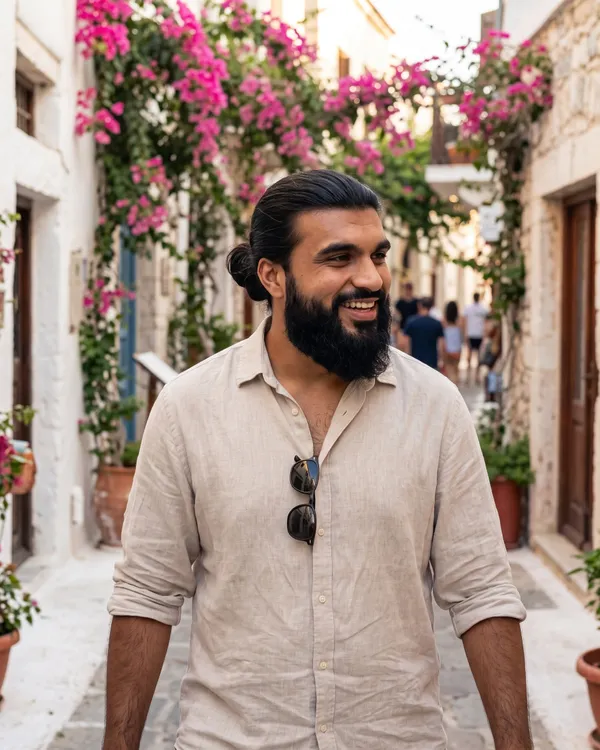 Real after
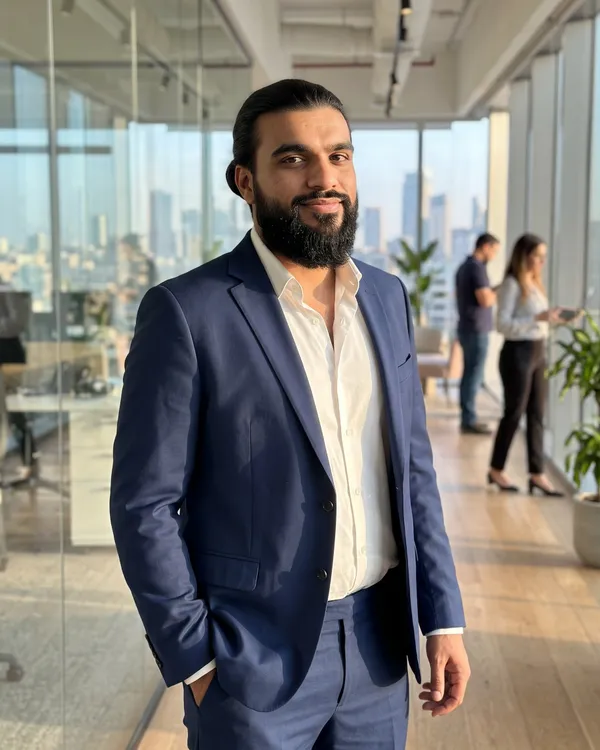 Real after
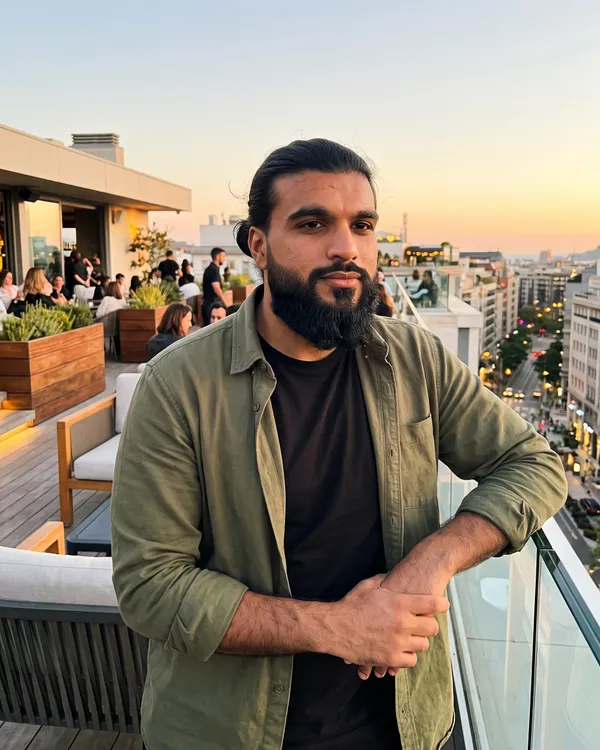 Real after
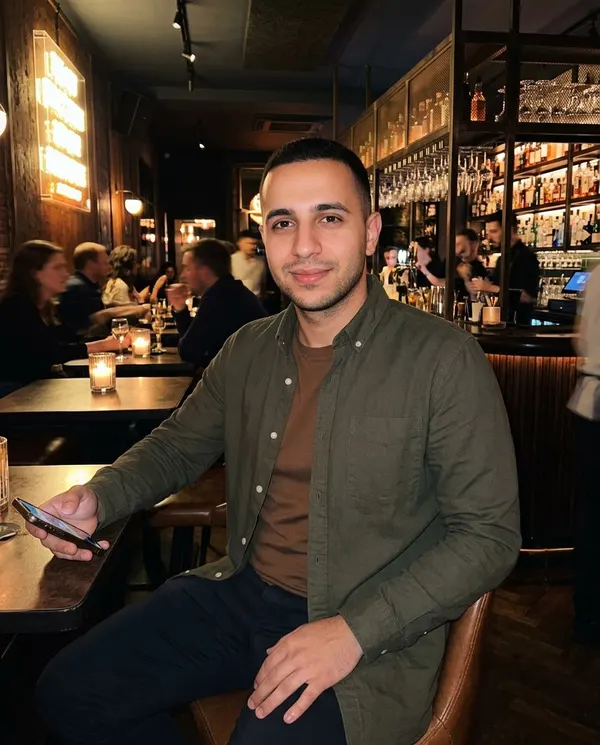
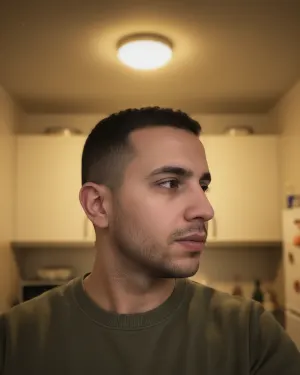
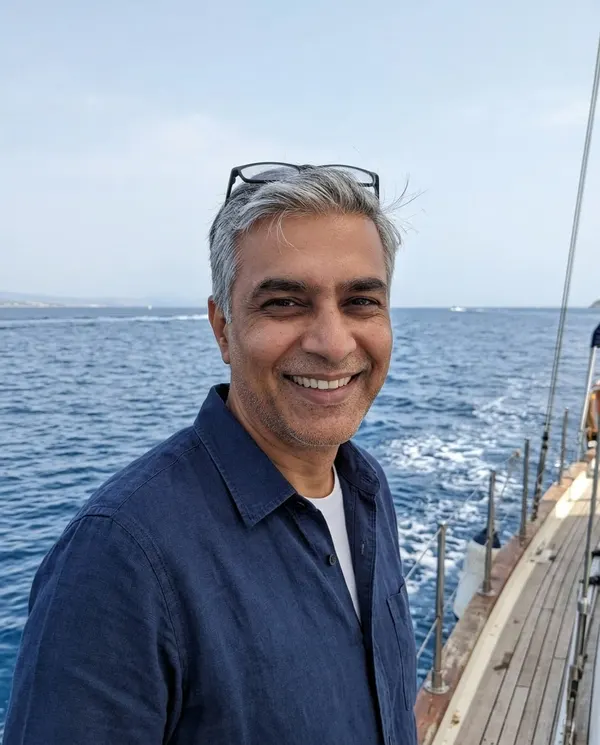
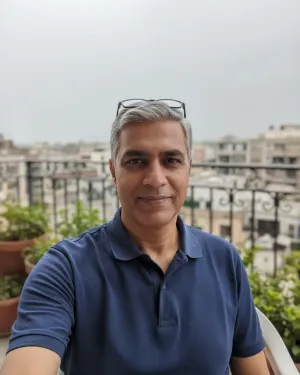
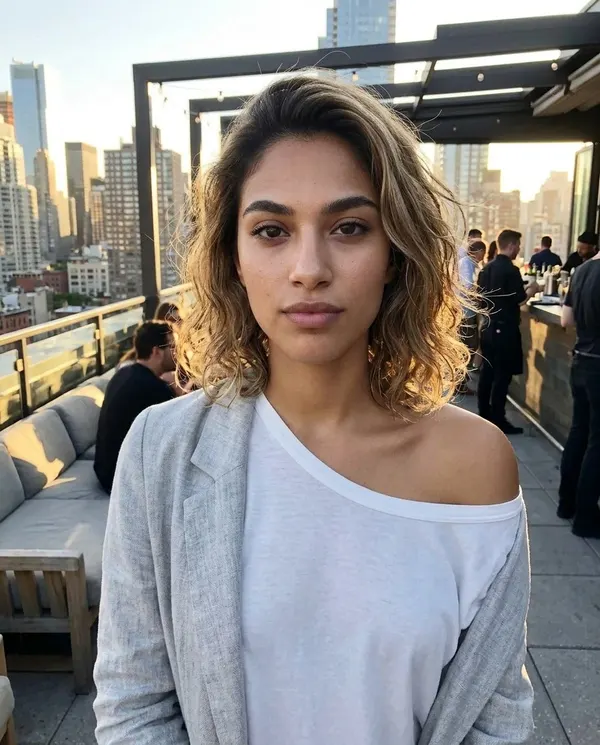
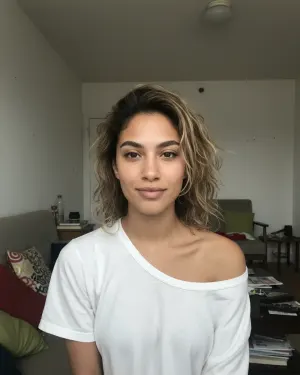
The selfie on the left is the kind of photo most people have: front camera, arm's length, indoor light, no effort. The three on the right came out of MainPic from his selfies and haven't been touched since.
Now be suspicious of it, because we picked those three. That's exactly the highlight-reel problem this page warns about. Here's what you can still check:
- Feature by feature. Beard line, eyebrows, eye shape, nose, hairline. Those should match across all four.
- What changed. Light, clothes, place, posture and camera distance. That's the job.
- The nose. Close front-camera selfies make it look wider than it is, so a result shot from portrait distance will look a little different even when nothing changed. (Why that happens.)
- What you can't see here. The weak results. Every batch from any tool has a few you'd delete, which is why the only before and after you should fully trust is your own.
Example: 1 selfie in, profile photos out
What a fair before and after looks like
- The same person, obviously. Same face, same age, same build.
- A real 'before'. Ordinary phone selfies, unfiltered, the kind you'd upload. Not a photo shot badly on purpose.
- An untouched 'after'. Straight from the tool. No editor smoothing skin or fixing hands afterward.
- Honest labels. Is the person real, and did they agree to be shown? Or is it a fictional demo face? Both can be fine, as long as the page says which.
- More than one result. One perfect shot per person tells you the best case. A batch tells you what's typical.
None of this is new. Ad regulators have argued about beauty before and afters for years, and their rules transfer well to AI photos.
In the US, the FTC's guidance on endorsements says that if an ad features someone with exceptional results and the advertiser can't show they're typical, the ad has to make clear what people can generally expect. The UK's ASA is more specific about photos: it treats before and after images as claims about results even without labels, wants the 'after' to represent what customers could likely expect, tells advertisers to hold signed and dated proof the photos weren't manipulated, flags styling applied to the 'after' only, and says a disclaimer can't fix an image that misleads. Swap 'cream' for 'AI tool' and it reads like a checklist.
How to spot a misleading AI before and after
| Red flag | What you see | Why it matters |
|---|---|---|
| Different person | New jaw, different nose, eyes further apart, a fresh hairline | That isn't an upgrade, it's someone else's face |
| Rigged 'before' | Dark, blurry, close-up selfie shot from below | Half the 'transformation' is just a better camera position |
| Retouched 'after' | Poreless skin, perfect teeth, a glow no camera makes | You're seeing an editor's work, not the tool's |
| Cherry-picking | One hero shot per person, never the batch | You'll get the batch, not the highlight reel |
| Body changes | Slimmer waist, bigger arms, taller frame | Your date will notice in the first ten seconds |
| Model-grade 'before' | The 'before' already looks like an ad | Anyone looks good when they start out looking like that |
| No labels | No word on who the people are or how the images were made | You can't tell what you're looking at |
The rigged 'before' doesn't even need bad intent. If the 'before' is an arm's-length selfie and the 'after' is framed like a portrait from 8 to 10 feet away, the face will look different even if the AI did nothing clever. Fair comparisons account for that. Unfair ones lean on it.
What should change, and what shouldn't
Think of a good photographer. They change everything around you and nothing about you. Same line for AI.
Do
- Light: daylight, golden hour, soft shade instead of a bathroom bulb
- Background: a coffee shop, a street abroad, a rooftop instead of your bedroom wall
- Framing and camera distance: portrait proportions instead of front-camera distortion
- Outfit: clothes that fit and suit you
- Posture and expression: relaxed, not the frozen selfie face
- Sharpness: in focus instead of grainy
Don't
- Face shape and features: nose, jaw, eyes, ears
- Age: no taking off ten years
- Body: weight, height, build, muscle
- Skin: moles, freckles, scars, real texture
- Hair: hairline, color, beard, unless you've changed it
- Things you always wear: glasses, piercings, visible tattoos
The left column makes a photo better. The right column makes it you. If the right side changes, you've got a nice picture of someone your date will never meet. The zoom-in checklist for that lives in do AI dating photos look like you, and how to mix AI with real shots is in AI dating photos vs real photos.
Short on good pictures? Here's how AI profile pictures for dating apps work, made from your real face.
Test any before and after in five minutes
- 1
Cover the 'before'
Look at the 'after' alone. Does it pass as a good phone photo, or a magazine cover? The first is useful. The second will feel off on a dating app.
- 2
Compare feature by feature
Nose width, eye spacing, ears, hairline, teeth, the mole on the cheek. One at a time. Overall impressions are easy to fool, details aren't.
- 3
Zoom in on the usual suspects
Hands, earrings, glasses frames, collars, any text in the background. That's where generated and retouched images give themselves away.
- 4
Look for the batch
Several results per person, or a gallery that clearly isn't just the best shot of each, tells you far more than one side-by-side.
- 5
Read the labels
Real customers who agreed, or fictional demo faces? Edited or not? If the page doesn't say, assume you're looking at the best case, not the typical one.
Where to see more MainPic examples
On our examples page. Here's what that page states, so you know what you're looking at: every 'after' is a real MainPic result, not retouched. Most 'before' selfies show fictional people created with AI, labeled as such. The real people, who gave their consent, are at the end of the gallery.
A fictional 'before' is a demo of what the tool does with a set of selfies. It isn't proof about a real customer's face. The real people are the closer test. Use the checklist above on all of it, and be exactly as strict with us as with anyone else.
What no before and after can tell you
- How it'll work on your face. Results depend heavily on the selfies you upload. Recent, sharp, unfiltered and well lit beats old, dark and filtered every time. Our selfie guide covers it.
- Whether your app allows it. Rules differ by app. Hinge's AI principles allow AI images as long as they don't misrepresent you (though its March 2026 dating guide tells daters to skip AI-generated profile photos, saying 88% of Hinge daters are uncomfortable with them), while Grindr bans AI images passed off as you. Check are AI dating photos allowed before you post.
- Which photo should go first. A separate decision: see the best first photo for dating apps.
- How people will react. A better photo helps people see you clearly. What happens after that is the conversation.
The only before and after that settles it is yours. MainPic's first step is 3 free watermarked photos from 3 of your selfies, no card. If you then buy a pack ($24.99 for 60 or $39.99 for 120, one-time) and none of your photos look like you, email us within 14 days: we redo them free, and if they still don't, we refund you in full. Run your own before and after.
Written by Wasim · MainPicAbout MainPic →Frequently asked questions
Are AI dating photo before and afters real?
Some are, some aren't. Look for unfiltered 'before' selfies, unretouched results, clear labels saying whether the people are real or fictional, and more than one result per person. Missing labels and single hero shots are warning signs.
Why do the 'after' photos look so much better?
Mostly light, background, framing and camera distance. Close front-camera selfies distort the face, so a result framed from portrait distance looks different even when the face is unchanged.
What shouldn't change in an AI dating photo?
Anything your date will see in person: face shape and features, age, body, skin marks, hair, and things you always wear like glasses. If those change, the photo stops being honest.
How can you tell if an AI photo was retouched?
Look for poreless plastic skin, perfectly even teeth, a glow with no visible light source, and smudged edges around hair, hands or jewelry. A trustworthy page says outright whether results were edited.
Is the before and after on this page a real person?
Yes. It's a real person, shown with his consent: one of his own phone selfies next to three unretouched MainPic results. On the examples page, most 'before' selfies are fictional AI-made people and are labeled that way.
Will my results look like the examples?
Not guaranteed: results depend on your selfies. The 3 free watermarked photos let you check your own before and after first. If you buy and none of your photos look like you, we redo them free within 14 days, then refund you if they still miss.
Sources
Keep reading
Do AI Dating Photos Look Like You? How to Check
Do AI dating photos look like you? Why some don't, how to get realistic ones, the red flags to zoom in on, and the honesty test before you post.
Read the guide →AI Dating Photos for Women: Natural, Safe, Still You
AI dating photos for women: when they help, how to keep them natural, what to delete, and how to protect your selfies and privacy before you upload.
Read the guide →TinderProfile.ai Alternatives (2026): 5 Tools Compared
TinderProfile.ai alternatives for Tinder, Hinge and Bumble photos, compared on price per photo, free previews, refunds and how long your selfies are kept.
Read the guide →