Tinder Algorithm 2026: How It Works, Elo Myth and Fixes
How the Tinder algorithm works in 2026, from Tinder's own pages: activity, Likes, photo cues, new AI picks. Why Elo is gone and what you control.
9 min read
In this article
Quick answer
Tinder says its algorithm puts people who are active, and active at the same time as you, first, then weighs distance, your age and gender preferences, the interests you list, Likes and Nopes, and anonymized cues from your photos. It says it stopped relying on the old Elo score years ago and uses a dynamic system instead. You can't see a score, but you control your activity, photos, bio and settings.
Most pages about the Tinder algorithm still lead with Elo, a desirability score from a 2016 interview that Tinder dropped in 2019. I read Tinder's own help center instead and sorted everything into three piles: what Tinder says, what users claim on forums, and what I'd actually change on my profile.
How does the Tinder algorithm work? What Tinder says
Tinder publishes an explainer called "Powering Tinder: The Method Behind Our Matching." It's short, and it's the only official description of the algorithm. Here's what it lists.
| Signal | What Tinder says | What it means for you |
|---|---|---|
| Activity | It prioritizes potential matches who are active, and active at the same time. It calls this the most important part of the algorithm. | Using the app regularly matters more than any trick. |
| Location and preferences | Proximity is a key factor, along with your age, distance and gender preferences. | A tight radius in a small town means a small pool. |
| What you tell it | It factors in the interests and lifestyle details you add to your profile. | Empty interests give it less to match on. |
| Similar photos | It uses anonymized cues from photos. It suggests profiles with photos similar to ones you've Liked, and shows your profile to more people who Liked photos similar to yours. | Your photos decide who you're shown to, not just whether they swipe right. |
| Likes and Nopes | It keeps adjusting recommendations based on how often your profile, and every profile in your area, gets Liked or Noped. | How people react to your profile still feeds the system. |
Tinder also says what it leaves out: its algorithm doesn't track social status, religion or ethnicity. One more detail from Discovery Settings: Tinder says it may show you people slightly outside your age and distance ranges when you run out of profiles, unless you switch on the Dealbreaker toggle under each slider.
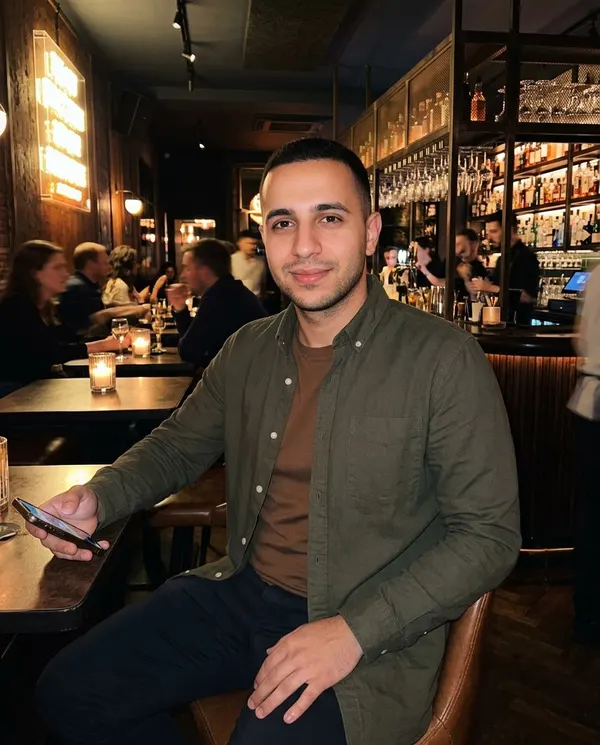
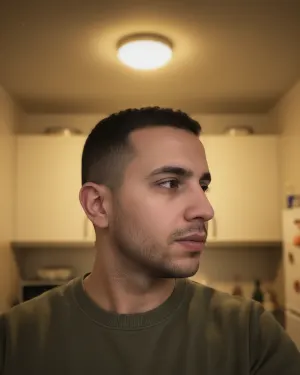
Example: 1 selfie in, profile photos out




Is the Tinder Elo score still a thing?
No, according to Tinder. The Elo story comes from 2016, when Tinder's then CEO told Fast Company that the app used an internal "desirability" score inspired by chess rankings: get a Like from someone with a high score and yours went up. In March 2019 Tinder said Elo was outdated and its technology no longer relied on it. The help center still says so today: "Elo is old news at Tinder."
What replaced it, in Tinder's words, is a dynamic system that keeps factoring in how you engage with others through Likes, Nopes and what's on profiles.
The new AI layer: Most Compatible, Your Type and Chemistry
In March 2026 Tinder held a product event, and press coverage is the only source for this part. TechCrunch reported on March 12, 2026 that Chemistry, an AI feature that learns about you through questions and, with your permission, your camera roll, was rolling out in the US and Canada after early tests in Australia and New Zealand. The pitch: a few curated matches a day instead of endless swiping. TechCrunch also described Learning Mode, meant to show relevant profiles earlier instead of needing several swiping sessions to learn your taste.
What the help center actually documents:
- Most Compatible: a labeled recommendation for someone you're more likely to have a conversation with. Tinder says that if you see someone as Most Compatible, they're likely to see you too, and the recommendation expires after a while. Select markets.
- Photo-Based Suggestions: an opt-in camera roll scan in some markets that suggests photos, interests and prompts for your profile. Tinder says some photos are temporarily uploaded and shared with its AI provider, and the insights help personalize your experience and better connect you with others.
- Your Type: a short description of the type of person you Like, generated after 10 Likes and refreshed every 10 Likes. Select markets.
One honest caveat: Tinder's help center has no page for Chemistry (a search for it returns nothing), and the help article that used to cover it now describes Most Compatible. So treat Chemistry as announced, not confirmed in your market. Names and availability move fast. If you don't see a feature, trust the app over any guide, this one included.
If your camera roll is the problem, try realistic AI photos for Tinder made from your own selfies.
Tinder algorithm myths vs what Tinder actually says
The unofficial side is louder. The left column below is what users claim on forums and in other guides; none of it is confirmed by Tinder, and some of it is flatly contradicted.
| What users claim | What Tinder says | My read |
|---|---|---|
| "You have a secret Elo score" | Elo is outdated and no longer relied on. | Dead. Ignore score checkers. |
| "New accounts get a newbie boost" | Nothing documented. | Users report a strong first week. Maybe, maybe not. Not a reason to reset. |
| "Swiping right on everyone gets you buried" | Nothing documented. Likes and Nopes shape recommendations. | Unproven. But liking everyone tells the system nothing about your type. |
| "Paying makes the algorithm like you" | Boost makes you a top profile in your area for 30 minutes. Super Likes prioritize your profile. Tinder Platinum's Prioritized Likes get your Likes and Super Likes seen faster. | Paid tools buy visibility, not a better profile. |
| "I'm shadowbanned" | Not a word Tinder uses. In regions with its face photo rule, profiles are hidden when Tinder can't detect a face photo. | Check the boring causes first. |
If your matches dropped to zero overnight, read the Tinder shadowban guide before you blame the algorithm. And if you were banned, don't open a new account to get a fresh start: Tinder says banned users can't create new accounts.
What you control (the only part worth your time)
- 1
Be active, at the same time as everyone else
Tinder calls this the most important factor. Short daily sessions beat one binge a week. Tinder shows an "Online Now" label for people active in the last two hours and a green dot for the last 24 hours, so the evenings when your area is busy are your window. Swipe Surge, when activity can be up to 15x higher, is only being tested on iOS in select cities.
- 2
Fix your photos, because they pick your audience
Tinder says it shows your profile to people who Liked photos similar to yours, so hiking photos pull in people who like hiking photos. In many regions your profile is hidden entirely without a face photo Tinder can detect. Turn on Smart Photos so you lead with your most Liked shot, and see the Tinder pictures guide for building the set.
- 3
Fill in your interests and bio
Tinder factors in the interests and lifestyle details you add. Pick ones you'd actually talk about on a date. The Tinder bio examples help if you're stuck.
- 4
Check your settings
Make sure Enable Discovery is on (off means nobody new sees you). Widen age or distance if your pool is thin, and only switch on Dealbreakers for limits you really mean.
- 5
Spend on visibility only when the profile is ready
A Boost makes you a top profile in your area for 30 minutes, with up to 10x more profile views, Tinder says. More eyes on weak photos just means more Nopes. Timing and whether it's worth it are in the Tinder Boost guide.
Since photos do two jobs here (getting Likes and deciding who sees you), they're where I'd start. Put your shortlist through our free Tinder photo ranker, and lead with a clear, well-lit face shot. If your set is all similar selfies, which Tinder's own Photo Tips feature flags in select markets, add a real hobby photo: a hiking shot, a beach day or a concert fits the outdoors, beach and festival examples Tinder itself uses.
No recent photos where your face is clear? You can get 3 free photos (watermarked) from 3 selfies with MainPic, no card needed. Keep whatever you post looking like you today, since Tinder's Photo Verification compares a video selfie to your profile photos. Then change one thing at a time and give it a week, the way I lay out in how to get more matches.
 Written by Wasim · MainPicAbout MainPic →
Frequently asked questions
How does the Tinder algorithm work in 2026?
Tinder says it prioritizes people who are active, and active at the same time, then considers distance, your age and gender preferences, the interests you list, Likes and Nopes, and anonymized cues from photos. In 2026 it also added AI features such as Most Compatible and Your Type in select markets, and press reports say it began rolling out Chemistry in the US and Canada.
Does Tinder still use an Elo score?
No, according to Tinder. Its help center says Elo is old news, an outdated measure its technology no longer relies on, and that it now uses a dynamic system based on Likes, Nopes and what's on profiles. Tools claiming to reveal your Elo are guessing.
How do I get Tinder to show my profile to more people?
Use the app regularly, keep Discovery on, add a clear face photo (in many regions profiles without one are hidden), fill in your interests and widen age or distance if your pool is small. A Boost makes you a top profile in your area for 30 minutes, but it works best once your photos are strong.
Does swiping right on everyone hurt you on Tinder?
Tinder doesn't document a penalty for it. It does say Likes and Nopes shape what you're shown, so liking everyone gives the system nothing useful about your type. Being selective is the safer bet, even if the penalty itself is unproven.
Does paying for Tinder Gold or Platinum help the algorithm?
Tinder doesn't say a subscription changes your ranking. Paid features buy visibility: Boost puts you among the top profiles in your area for 30 minutes, Super Likes prioritize your profile, and Tinder Platinum's Prioritized Likes get your Likes and Super Likes seen faster.
Can you reset the Tinder algorithm?
Tinder doesn't offer or document a reset. Its system keeps learning from Likes, Nopes and what's on profiles, so the real reset is changing what it learns from: new photos, updated interests, wider settings, regular use. Users report a strong first week on new accounts, but that's anecdotal, and if you were banned Tinder says you can't create a new account.
Sources
- Tinder Help Center: Powering Tinder, the method behind our matching
- Tinder Help Center: Discovery Settings
- Tinder Help Center: Most Compatible
- Tinder Help Center: Photo-Based Suggestions
- Tinder Help Center: Your Type
- Tinder Help Center: Photo Tips
- Tinder Help Center: Photo Verification
- Tinder Help Center: My profile is hidden
- Tinder Help Center: Problems with Matches (Smart Photos)
- Tinder Help Center: Online Now
- Tinder Help Center: Recently Active
- Tinder Help Center: Swipe Surge
- Tinder Help Center: Boost
- Tinder Help Center: Tinder subscriptions
- Tinder Help Center: My account is banned
- Engadget: Tinder ditches its hidden desirability scores (March 18, 2019)
- TechCrunch: Tinder tries to lure people back to online dating with IRL events, virtual speed dating (March 12, 2026)
- Mediaweek: Tinder unveils biggest product overhaul in years at Sparks 2026 keynote (March 13, 2026)
Keep reading
Tinder Boost: Does It Work and When to Use It (2026)
Tinder Boost puts you near the top for 30 minutes. What Boost and Super Boost really do, who gets free ones, the best time, and what to fix first.
Read the guide →Tinder Gold vs Platinum vs Plus: Which Is Worth It?
Tinder Gold vs Platinum, from Tinder's own help center: what each tier adds, what drives the price, what Select is, and when paying is a waste.
Read the guide →Tinder Passport: How It Works, Cost and Who Sees You
How Tinder Passport works: which plans include it, if it's ever free, what people in the new city see, how to switch back, and travel photos that work.
Read the guide →